
If you feel anxious about dental treatment, you may wonder whether oral sedation will make you sleepy, change your awareness, or prevent you from talking to the dentist.
Oral sedation can help patients feel more relaxed and drowsy. During planned conscious sedation, patients remain responsive, although their attention, memory, and coordination may be affected. Some people remember much of the appointment; others recall only parts.
Knowing what sedation can and cannot do makes the conversation with your dentist more useful. At Northside Family Dentistry, we encourage you to share your concerns so we can discuss your treatment and the comfort options available for your care.
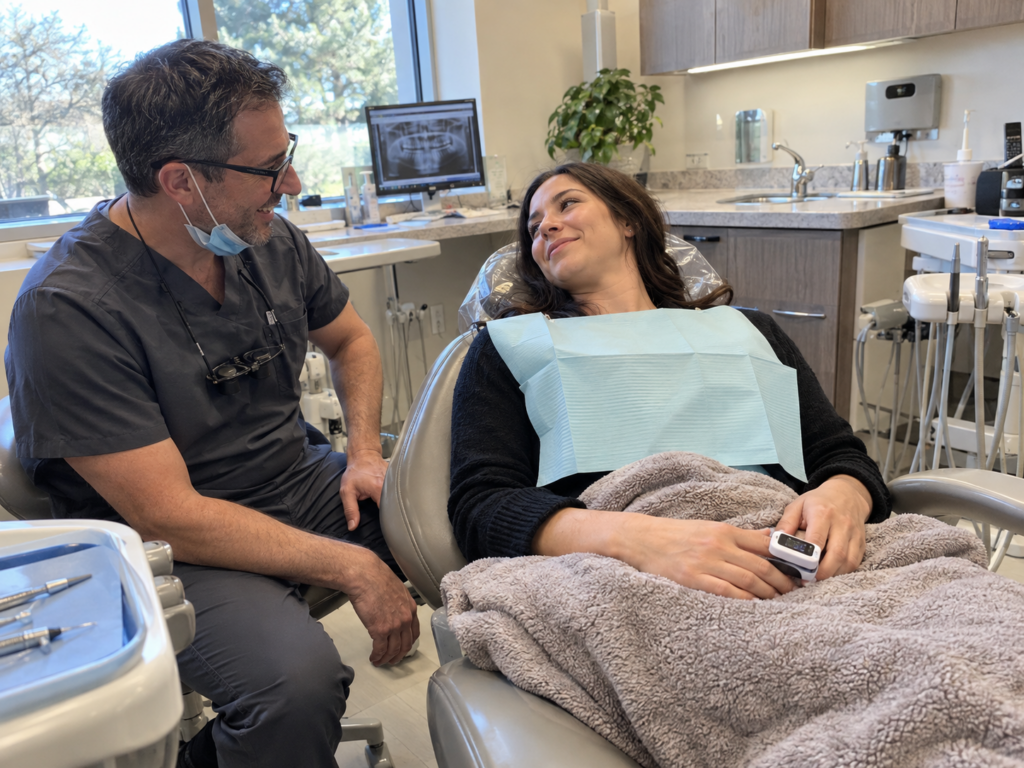
What Is Oral Sedation?
Oral sedation involves a prescribed medication taken by mouth, usually as a tablet or liquid. The dentist selects the medication and provides instructions based on the treatment plan and the patient’s health.
“Oral” describes how the medication is taken. It does not tell you exactly how deeply you will be sedated. Your dental team should explain the intended level and what to expect.
For minimal sedation, patients respond normally to spoken instructions. With moderate sedation, patients still respond purposefully, but may need a spoken prompt or light touch.
Your response can differ from someone else’s. Discuss the planned approach rather than relying on another patient’s description of their appointment.
What Might You Feel During the Appointment?
You may feel calmer, sleepier, or less focused on the details of treatment. Familiar sounds and activities in the office may seem less important because your attention has changed.
Some patients describe feeling relaxed while still knowing what is happening. Others feel drowsy enough to close their eyes or doze.
These effects are possibilities, not promises. Sedation does not guarantee that every anxious feeling disappears or that you will have no awareness of treatment.
It can help to tell the dentist what worries you most. For example, you might be comfortable with treatment itself but nervous about losing control or not being able to ask for a pause. Those concerns deserve discussion before medication is taken.
Can You Still Communicate?
During planned minimal or moderate sedation, patients remain able to respond to the dental team. Responses may be slower when you are drowsy.
Before treatment, agree on how to signal discomfort or request a break. A hand signal can be useful when instruments make speaking difficult.
The team monitors your responsiveness and other clinical signs during sedation. Ask how you will be observed and supported throughout the appointment.
Will You Fall Asleep?
You may doze, but dozing during conscious sedation is different from being under general anesthesia. The intended response during minimal or moderate sedation is that you can still respond when prompted.
If being asleep is your expectation, explain that clearly. Your dentist can discuss whether your expectations match the proposed approach.
Does Oral Sedation Replace Numbing?
No. Sedation and local anesthesia have different roles.
Sedation helps manage anxiety and changes how alert or focused you feel. Local anesthesia numbs the area being treated and is used when the procedure requires it.
A patient receiving oral sedation may still need a local anesthetic injection. Feeling relaxed does not mean the tooth or gums are numb.
You may notice pressure or movement during treatment. If you feel pain or another sensation that concerns you, use the communication method agreed on with the team.
Ask about both anxiety management and numbing before treatment, especially if fear of injections is part of your concern.
Will You Remember Your Dental Treatment?
Recall varies with the medication, intended sedation level, and your individual response.
You may remember conversations or parts of the procedure. You may also have gaps in your memory. Complete memory loss should not be promised or assumed.
Memory and awareness are different. Remembering little afterward does not necessarily mean you were unconscious during treatment.
Discuss the treatment plan, consent, and important questions before sedation begins. Your escort should also receive the relevant aftercare instructions, since drowsiness or forgetfulness may make them harder for you to retain.
How Do You Prepare for Oral Sedation?
Preparation begins with an evaluation, not simply receiving medication. The dentist needs to understand your dental needs, health, and previous experiences.
Be ready to share:
- Your medical conditions and any recent health changes.
- Prescription medicines, over-the-counter products, and supplements.
- Allergies and previous reactions to sedation or anesthesia.
- Whether you are pregnant or breastfeeding.
- Your specific dental fears and treatment concerns.
This information helps the clinician identify factors that could affect the plan. Do not stop regular medication or change a dose unless the prescribing clinician gives you instructions.
If you are arranging a first appointment, our new patient information provides forms and appointment details.
Follow Your Written Instructions
Confirm when and where to take the sedation medication, what to do about eating and drinking, and which regular medicines to take.
There is no single fasting or dosing schedule suitable for every oral sedation appointment. Follow the instructions for your planned care.
If something is unclear, contact the office before taking medication. Do not take an extra dose because you think the first one has not worked.
Why Do You Need an Escort?
For oral conscious sedation, arrange a responsible adult to accompany you and take you home. If you are instructed to take medication before arriving, arrange transportation to the appointment as well.
Do not drive after taking the sedative. A taxi or rideshare trip alone does not replace an escort who can receive instructions and assist you.
Ask whether the adult needs to stay at the office and how long someone should remain with you afterward. Make these arrangements before the treatment day.
Feeling more awake does not establish that your reaction time, coordination, or judgment has returned to normal. Follow the restrictions given by the dental team rather than judging readiness yourself.
What Might You Feel After Oral Sedation?
You may remain sleepy, less focused, or unsteady after treatment. The duration depends on the medication and your response.
Plan time to rest and follow the discharge instructions. Avoid driving, operating machinery, making important decisions, and being solely responsible for dependents during the restricted period.
Follow instructions about alcohol and other medications, including medicines prescribed for discomfort after the dental procedure. Ask before combining products that may cause additional drowsiness.
The recovery from sedation and recovery from the dental procedure are separate. You may also have numbness, soreness, or other procedure-specific instructions.
Before leaving, make sure you and your escort know whom to contact if recovery is not progressing as expected.
Is Oral Sedation the Only Way to Address Dental Anxiety?
No. Some patients benefit from clear explanations, a planned pause signal, or discussing treatment in stages. Others may need additional support.
During dental exams and cleanings, you can explain what makes appointments difficult and ask how the team can adapt communication and care.
A sedation decision should account for your health, anxiety, procedure, and preferences. Medication is not automatically appropriate for every patient or every visit.
Useful questions include:
- What level of sedation is intended?
- What can I expect to notice or remember?
- How will you manage discomfort and monitor me?
- What preparation and aftercare arrangements do I need?
- Which comfort options are available for my planned treatment?
Frequently Asked Questions
Can I talk to the dentist during oral sedation?
During minimal or moderate sedation, you remain responsive, although drowsiness may slow communication. Agree on a way to request a pause before treatment begins.
Will oral sedation eliminate dental anxiety?
It may help make anxiety more manageable, but it does not guarantee complete relief. Share your concerns so the clinician can discuss an appropriate plan.
Will I remember the entire appointment?
You may remember much of it, only parts, or very little. Recall varies, and complete memory loss should not be assumed.
Can I drive home if I feel alert?
No. After oral conscious sedation, use your arranged adult escort and follow the driving restrictions provided by the dental team. Feeling alert does not establish that medication effects have ended.
Discuss Dental Anxiety With Northside Family Dentistry
Understanding oral sedation starts with an informed conversation about your health, treatment, and expectations.
At Northside Family Dentistry in O’Fallon, MO, we want you to feel heard and involved in decisions about your dental care. Tell us what concerns you and ask which comfort options are available for your appointment.
Contact Northside Family Dentistry to discuss an upcoming visit and learn about an individualized approach to your care.