When most people think about fluoride treatments, they picture children sitting in the dental chair after a routine cleaning. While fluoride is an important part of children’s preventive dental care, it can also benefit many teenagers, adults, and seniors. The decision isn’t based solely on age it’s based on your individual risk for developing cavities.
At Northside Family Dentistry, we believe preventive care should be personalized. During your regular dental visits, our team evaluates your oral health, discusses your concerns, and recommends treatments that best support your long-term smile. For many patients, professional fluoride treatments can be a simple yet effective way to strengthen teeth and reduce the risk of tooth decay.
What Are Professional Fluoride Treatments?
Fluoride is a naturally occurring mineral that helps strengthen tooth enamel, the protective outer layer of your teeth. Every day, your enamel is exposed to acids from food, beverages, and bacteria in your mouth. Over time, these acids can weaken enamel and increase the risk of cavities.
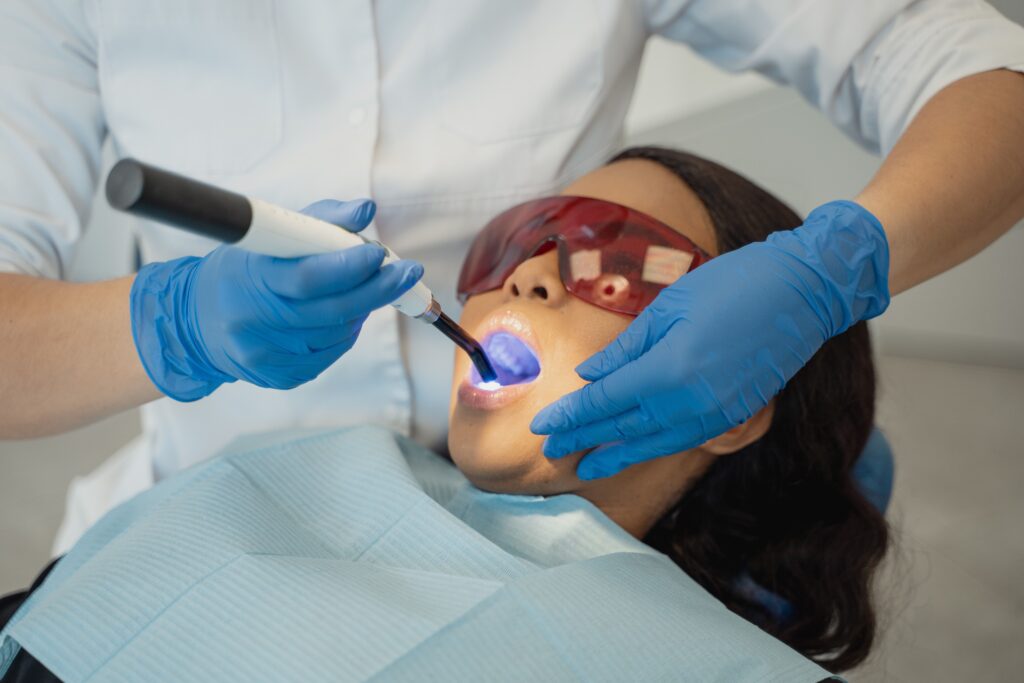
Professional fluoride treatments deliver a higher concentration of fluoride than toothpaste or mouth rinses. Applied in the dental office as a varnish, gel, or foam, fluoride helps strengthen enamel and supports the natural process of remineralization, which can repair very early areas of enamel damage before they develop into larger cavities.
Because the treatment is quick and non-invasive, it can easily be incorporated into many preventive dental appointments.
Fluoride Isn’t Just for Children
One of the biggest misconceptions about fluoride is that adults no longer need it after their permanent teeth come in.
In reality, anyone who has natural teeth can develop cavities. Lifestyle habits, medical conditions, medications, and changes in oral health can all increase cavity risk throughout adulthood.
Rather than recommending fluoride based on age alone, dentists evaluate each patient’s overall oral health to determine whether additional protection may be beneficial.
Children Who May Benefit From Fluoride Treatments
Children are often excellent candidates for fluoride because their teeth are still developing and they may still be learning effective brushing and flossing habits.
Professional fluoride treatments may be recommended for children who:
- Have had cavities before
- Frequently consume sugary snacks or drinks
- Have difficulty brushing thoroughly
- Wear braces or orthodontic appliances
- Have deep grooves in their molars
- Are considered at higher risk for tooth decay
At Northside Family Dentistry, we provide children’s dentistry for patients ages 3 and older, and fluoride recommendations are always based on each child’s unique oral health needs.
Adults May Benefit More Than They Realize
Many adults are surprised when their dentist recommends fluoride treatments. However, cavity risk often changes over time.
Adults may benefit if they:
- Have a history of frequent cavities
- Experience dry mouth caused by medications
- Have exposed tooth roots due to gum recession
- Have crowns, bridges, or other restorations
- Frequently consume acidic beverages
- Have difficulty cleaning around orthodontic appliances
- Have certain health conditions that affect oral health
Professional fluoride treatments provide additional protection for teeth that may be more vulnerable to decay.
Patients With Dry Mouth
Saliva plays an important role in protecting your teeth. It helps wash away bacteria, neutralize acids, and deliver minerals that strengthen enamel.
When saliva production decreases a condition known as dry mouth your risk of cavities often increases.
Dry mouth may result from:
- Prescription medications
- Certain medical conditions
- Cancer treatments
- Natural aging
For these patients, professional fluoride treatments may become an important part of a personalized preventive care plan.
People With a History of Cavities
Past dental history is often one of the strongest indicators of future cavity risk.
If you’ve needed several dental fillings over the years, your dentist may recommend fluoride treatments to help reduce your risk of developing additional decay.
Fluoride isn’t a substitute for good oral hygiene, but it can strengthen enamel and support your daily brushing and flossing routine.
Patients With Dental Restorations
Teeth that have been restored with crowns, fillings, or bridges still require ongoing preventive care.
Although restorative materials themselves cannot develop cavities, the natural tooth structure surrounding them remains susceptible to decay.
Professional fluoride treatments may help protect these vulnerable areas and support the long-term health of restored teeth.
Is Fluoride Toothpaste Enough?
For many people, brushing twice a day with fluoride toothpaste provides an excellent foundation for cavity prevention.
However, patients with a higher risk of tooth decay may benefit from the additional protection offered by professional fluoride treatments.
The best preventive routine typically includes:
- Brushing twice daily with fluoride toothpaste
- Flossing every day
- Eating a balanced diet
- Limiting sugary foods and beverages
- Attending regular dental exams and cleanings
- Following your dentist’s personalized recommendations
Each part of your routine works together to help keep your teeth healthy.
How Your Dentist Determines If You Need Fluoride
There is no universal recommendation that every patient should receive fluoride treatments.
Instead, your dentist evaluates factors such as:
- Your history of cavities
- Your current oral health
- Existing dental restorations
- Dry mouth symptoms
- Dietary habits
- Oral hygiene routine
- Overall cavity risk
This personalized approach helps ensure that preventive care is tailored to your specific needs rather than following a one-size-fits-all plan.
Protect Your Smile With Personalized Preventive Care
Preventive dentistry is about more than treating problems after they appear it’s about helping you maintain a healthy smile for years to come.
At Northside Family Dentistry, our team is committed to providing gentle, patient-centered care while helping every patient understand their treatment options. If you’re unsure whether professional fluoride treatments are right for you or your child, we’re happy to answer your questions and recommend a preventive care plan based on your individual oral health needs.
Whether you’re due for your next checkup or looking for a new dental home, schedule an appointment with Northside Family Dentistry to learn how personalized preventive care can help protect your smile for years to come.
Frequently Asked Questions
Are fluoride treatments only recommended for children?
No. While fluoride treatments are commonly associated with children’s dental care, adults can also benefit. Your dentist will recommend fluoride based on your individual risk of tooth decay, oral health, and medical history, not simply your age.
How often should I receive professional fluoride treatments?
The frequency depends on your oral health needs and cavity risk. Some patients benefit from fluoride during routine dental visits, while others may not need it as often. Your dentist will recommend a schedule that’s appropriate for you.
Can fluoride treatments prevent cavities?
Professional fluoride treatments help strengthen tooth enamel and make teeth more resistant to decay. They also support the remineralization of early enamel damage. While no treatment can guarantee cavity prevention, fluoride is an effective part of a comprehensive preventive dental care plan.
Is brushing with fluoride toothpaste enough?
For many people, brushing twice a day with fluoride toothpaste provides excellent protection. However, patients with a higher risk of cavities such as those with dry mouth, frequent decay, or exposed roots may benefit from the additional protection offered by professional fluoride treatments.
Are professional fluoride treatments safe?
Yes. Professional fluoride treatments have been safely used in dentistry for many years when applied according to established clinical guidelines. Your dentist will determine whether fluoride treatment is appropriate based on your age, oral health, and individual risk factors.